When considering new siding for your home, cost often plays a significant role in the decision-making process. If you’re exploring vinyl siding vs. Hardie board cost, understanding the differences in pricing, durability, and maintenance can help you make an informed choice. Let’s break down these factors to see which siding option fits your needs and budget.
The Upfront Costs
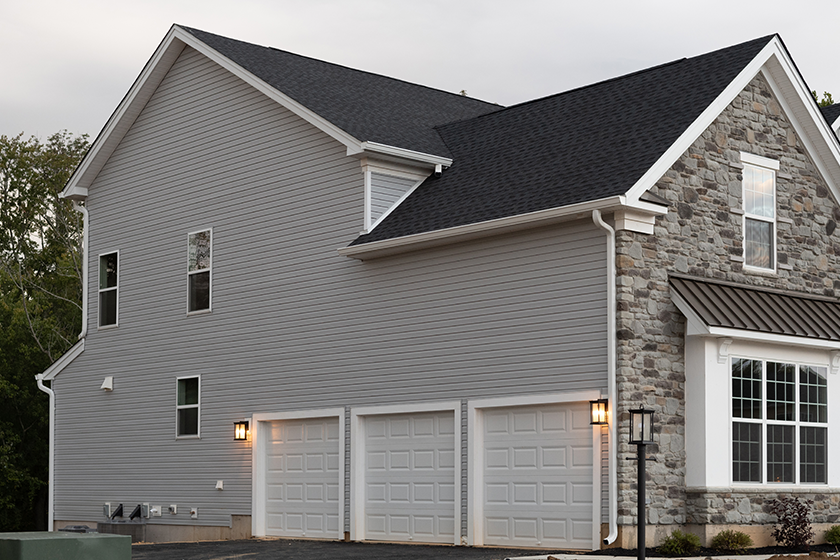
Vinyl siding is known for being one of the most affordable siding materials on the market. On average, vinyl siding costs between $2 and $6 per square foot for materials, making it a budget-friendly choice for many homeowners. Installation costs are also lower because vinyl is lightweight and easy to work with, requiring less time and labor.
However, the lower initial cost of vinyl siding may come with trade-offs in terms of durability and longevity. It’s essential to consider these factors when comparing vinyl to other options.
Hardie board, a type of fiber cement siding, typically costs between $5 and $14 per square foot for materials. Installation costs are higher as well, ranging from $10 to $20 per square foot, due to the weight and complexity of the material. Fiber cement siding often requires skilled professionals for proper installation.
While the upfront cost of Hardie board is significantly higher than vinyl, its long-term durability can offset the initial expense, making it a worthwhile investment for many homeowners.
Longevity and Upkeep
Vinyl siding is resistant to moisture and won’t rot, making it a low-maintenance option. However, it is susceptible to cracking, warping, and fading over time, especially in extreme weather conditions. Repairs can be relatively inexpensive, but frequent maintenance may be needed in areas prone to severe weather.
Hardie board is highly durable and can withstand harsh weather, including hail and heavy winds. It is also resistant to pests, fire, and rot. Unlike vinyl, Hardie board holds up well over decades with minimal fading, making it a long-lasting choice. However, it may require periodic painting and professional maintenance to keep it looking its best.
Energy Efficiency
Both vinyl and Hardie boards can improve your home’s energy efficiency when installed with proper insulation. Hardie board is often thicker, providing slightly better insulation, but this depends on the specific products and installation methods used.
Aesthetic Appeal
Vinyl siding comes in a wide variety of colors and styles, allowing homeowners to achieve a customized look. However, its appearance may not match the premium feel of the Hardie board.
Hardie board offers a high-end appearance that mimics natural materials like wood. It’s an excellent choice for homeowners seeking a sophisticated and timeless look.
Which Should You Choose?
Your choice between vinyl and Hardie board siding will depend on your budget, the climate in your area, and your long-term goals. Vinyl is an excellent option for those seeking an affordable, low-maintenance solution. Hardie board, on the other hand, is ideal for homeowners who prioritize durability and a premium appearance.
Call Monastery Roofing for Expert Siding Services
If you’re still weighing your options, Monastery Roofing can help. With over 15 years of experience, our family-owned business specializes in siding installation in Maine, including vinyl and fiber cement options. Contact us today and discover why homeowners in Maine trust us for their siding needs.